Renovations & repairs
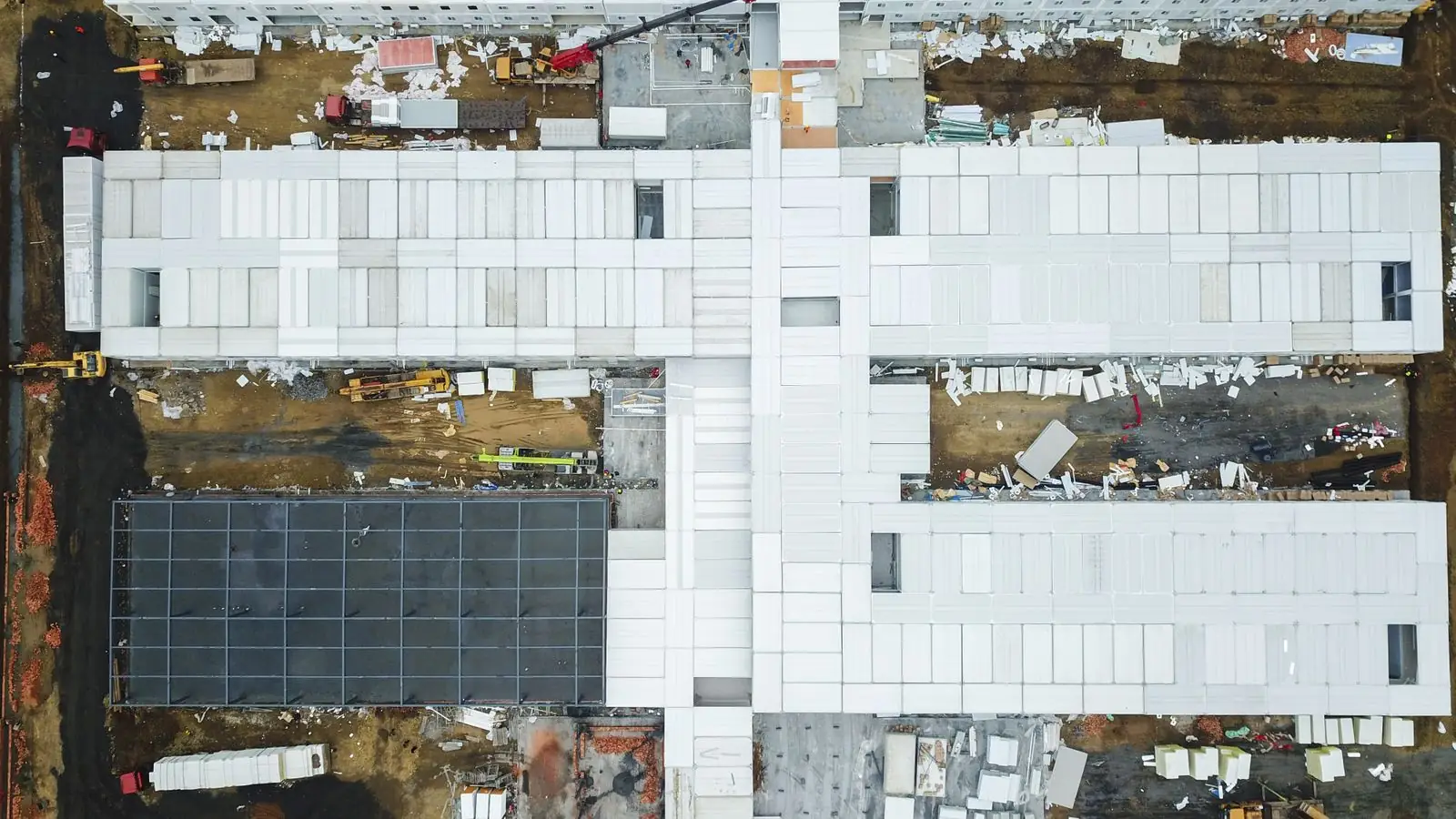
Interior renovations and facility repairs, sequenced around occupants, public access, and continuity of agency services.
Discuss this workCapital improvements, facility renovations, and critical repairs planned around public service, responsible spending, and the demands of an operating facility.
American Homestead Construction
Construction and repair capabilities for public buildings and critical infrastructure facilities, with scope, sequencing, and field coordination aligned to agency operations.
Interior renovations and facility repairs, sequenced around occupants, public access, and continuity of agency services.
Discuss this work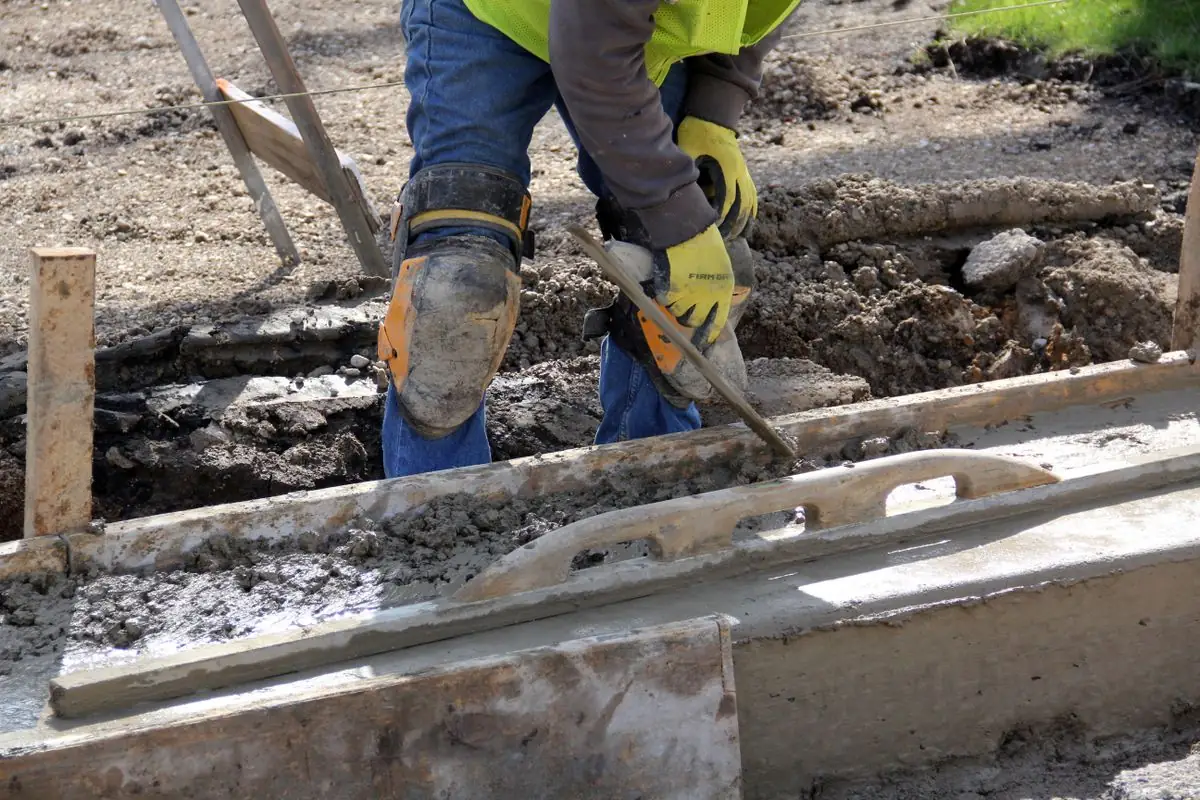
Concrete placement, restoration, and repairs coordinated with quantities, existing conditions, access, and project specifications.
Discuss this work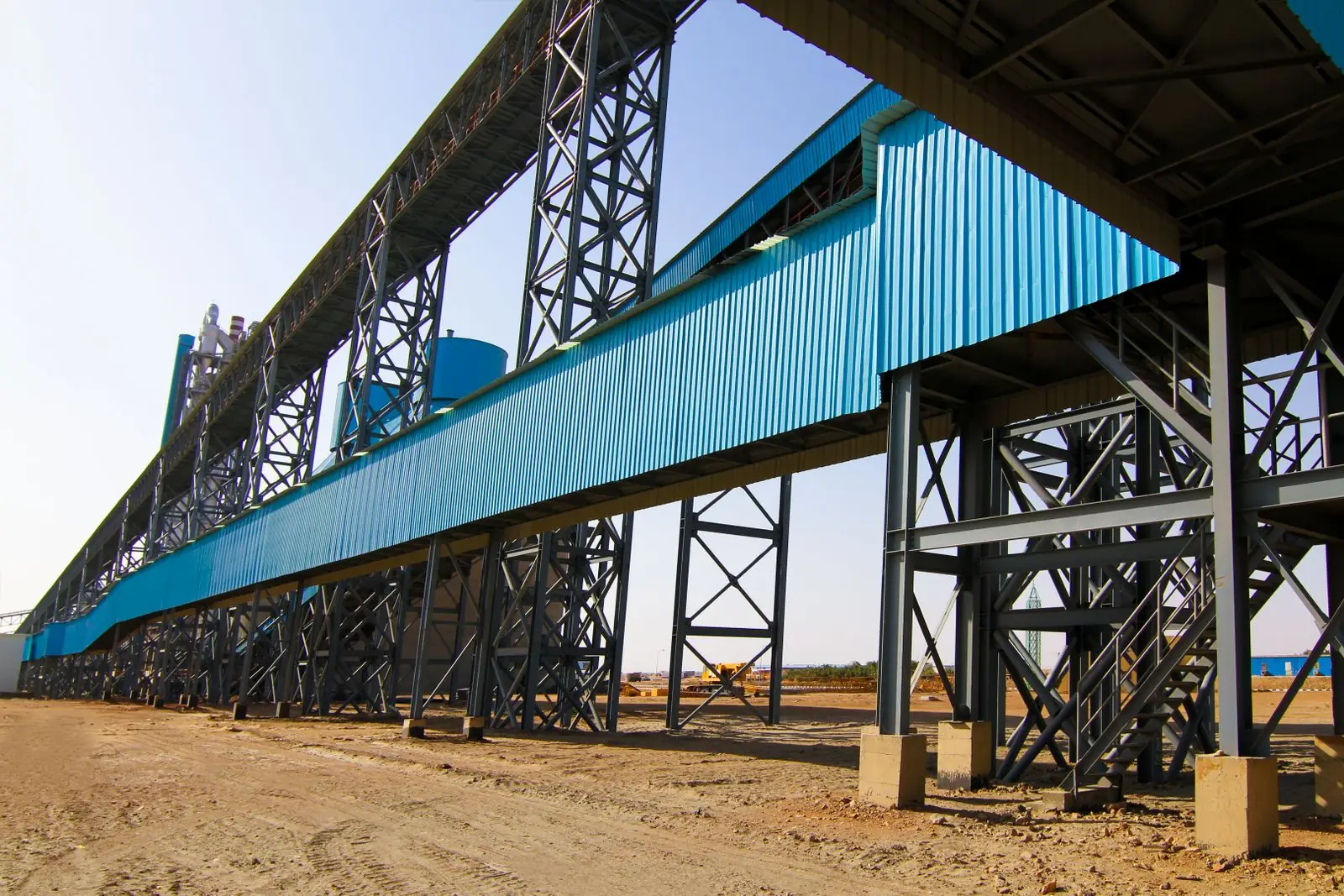
Framing, reinforcement, and structural repairs coordinated with engineering documents and the required sequence of work.
Discuss this work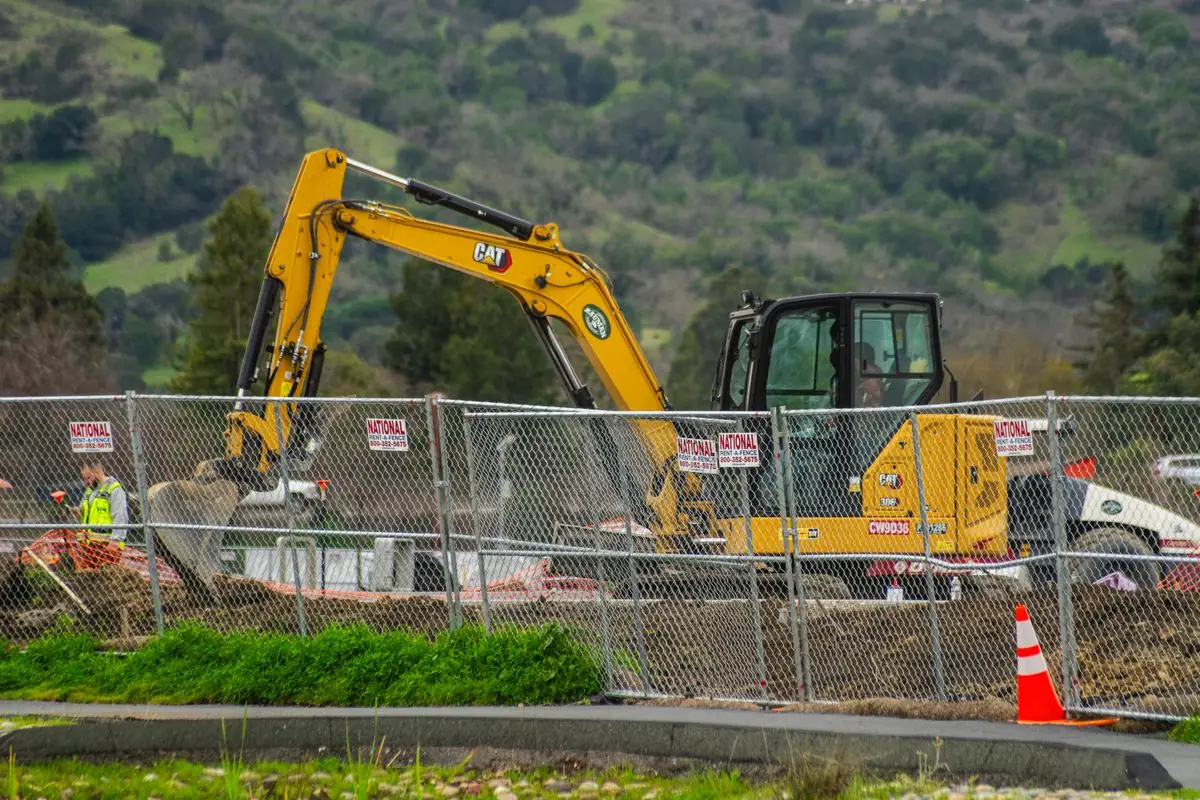
Building and site improvements that address access, circulation, drainage, and utility interfaces through practical phasing.
Discuss this work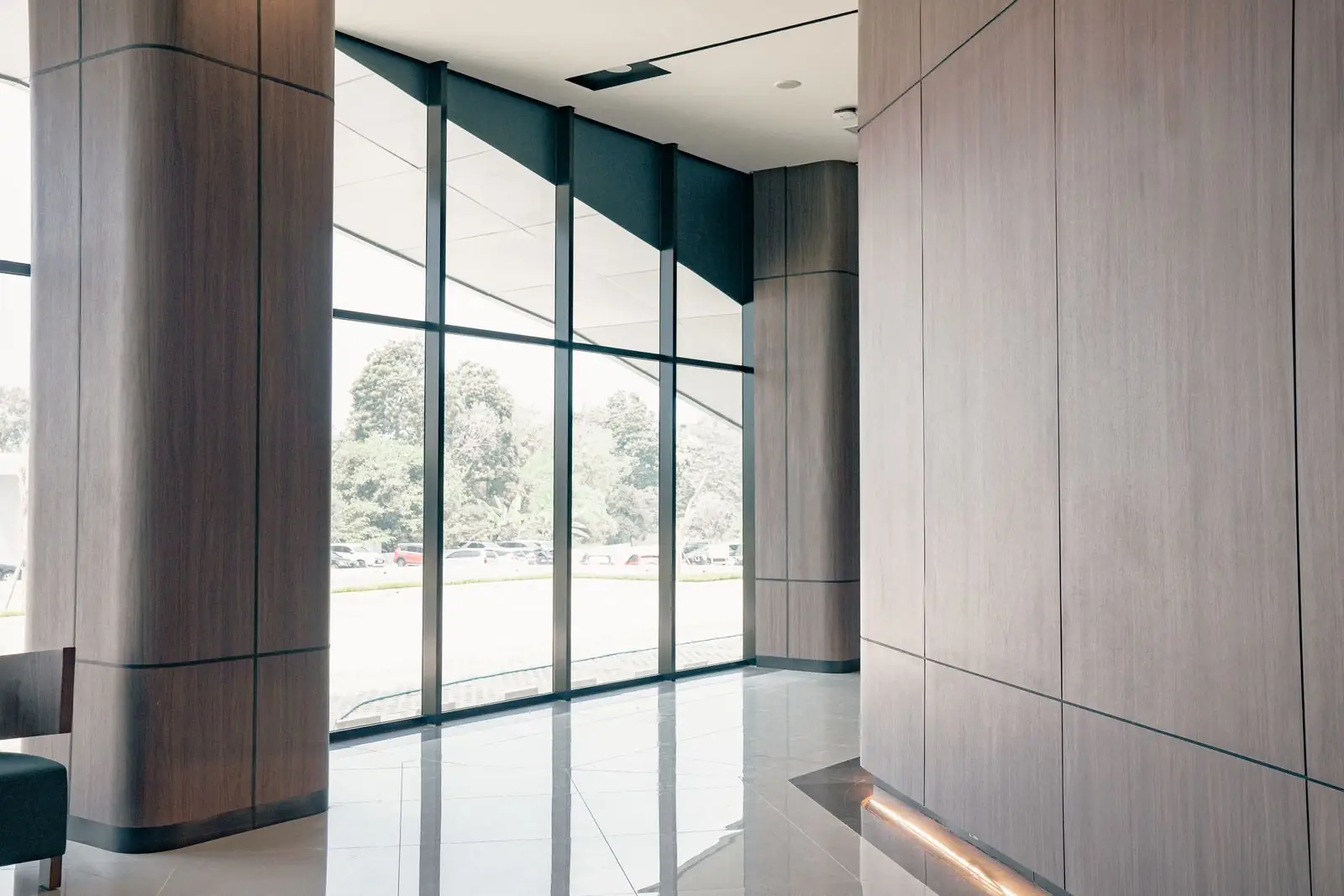
Carpentry, painting, and finish restoration selected and coordinated for durability, serviceability, and facility use.
Discuss this work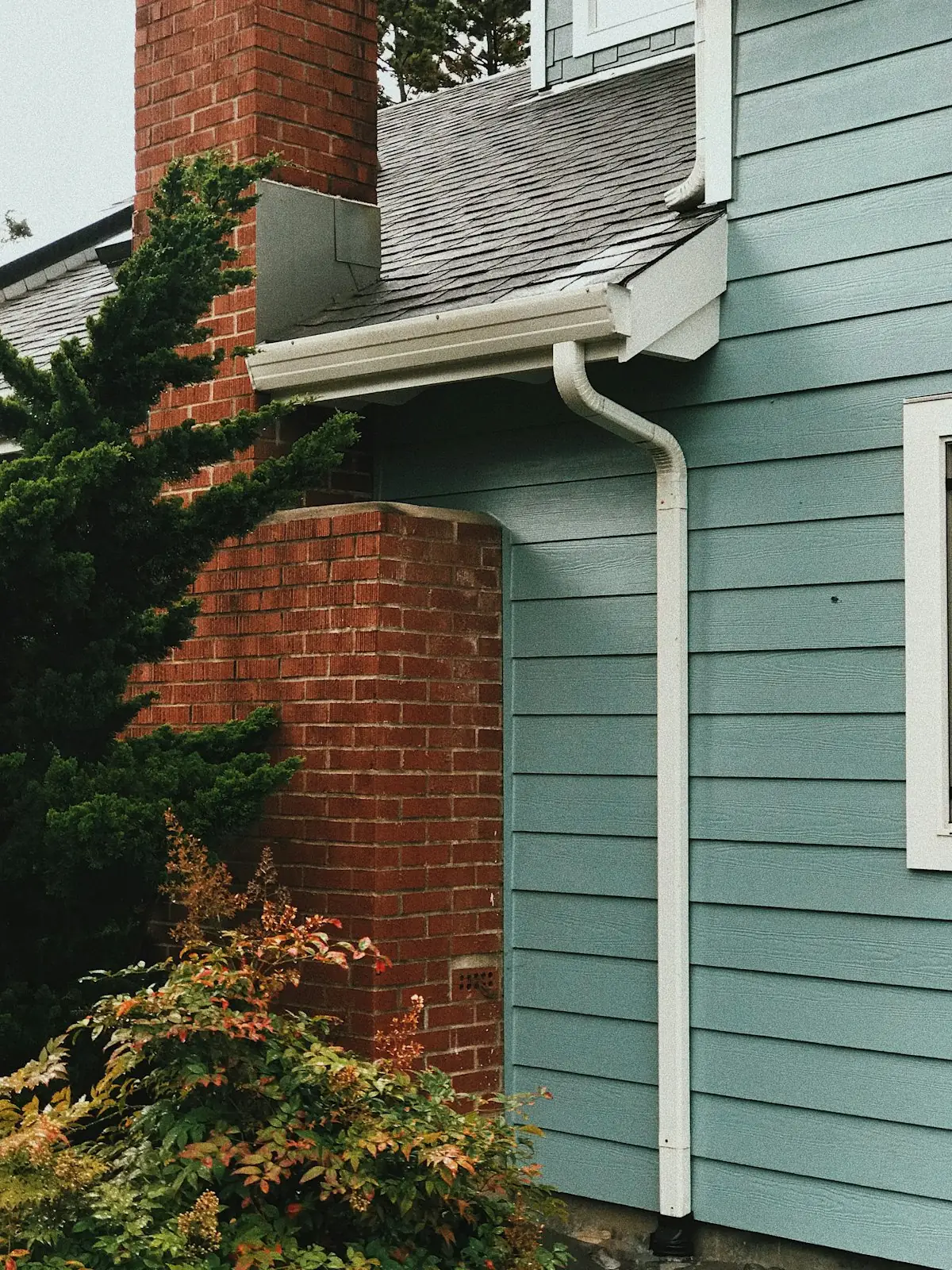
Gutter replacements, siding, stucco, and exterior repairs that address deterioration and water management.
Discuss this workService imagery illustrates representative types of work.
Local knowledge. Long term agency relationships.
Our team brings decades of public sector experience and multiple ongoing projects across South Florida. We work alongside agencies to improve critical facilities, coordinate construction around essential services, and prepare for future capital needs.
Miami-Dade · Broward · Palm Beach · Martin · St. Lucie · Okeechobee
Capital improvement projects
A useful capital plan connects facility needs to scope, funding, and delivery. Whether the work is in the next budget cycle or three to five years away, we help agencies develop planning budgets, evaluate phases, and prepare clear information for approval.
Conditions & priorities
Scope & budget
Funding & authority
Phasing & coordination
Closeout & future needs
Establish what the facility needs and what the project must accomplish.
Develop a planning budget with assumptions that decision-makers can evaluate.
Planning estimates support funding decisions. A defined scope and current project review establish the basis for a final proposal.
Give the commission, council, board, or delegated authority a concise basis for an informed decision.
Carry the plan into construction while accounting for essential facility operations.
Cooperative purchasing through TIPS

For eligible capital improvements, maintenance, and urgent repairs, TIPS offers access to competitively awarded contracts and an established pricing process. AHC helps agencies define the work and assemble the project documentation their purchasing teams need.
Use the awarded contract’s pricing framework to develop a defined scope and itemized proposal.
TIPS reviews JOC estimates for contract alignment. Members may request a pricing compliance letter before issuing a PO.
Document scope, price, approvals, and the processed order. Assess qualifications, quality, schedule, and facility impact alongside cost.
Eligible government, education, and nonprofit members can join free. Agency authorization and contract coverage still apply. TIPS pricing & compliance review ↗
Define the project phase and budget, then confirm the eligible contract and purchasing requirements before authorization.
Classify the actual scope and select the eligible Non-JOC maintenance or JOC construction route.
Bring purchasing into the response early to confirm contract coverage, funding, emergency authority, and required approvals.
Government emergency response ↓Trades, Labor, and Materials
Eligible goods, maintenance, and minor repairs that the agency classifies as non-public-work services.
Valid through April 30, 2031
View awarded contract PDF ↗Trades, Labor, and Materials · JOC
Public-work construction with a defined scope and line-item estimate using the approved price-book methodology.
Valid through April 30, 2028
View awarded JOC contract PDF ↗Before purchase, verify AHC’s current vendor listing, active contract status, scope, service area, and ordering instructions in the official AHC vendor profile.
From a facility need to an authorized purchase
Coordinate facilities, purchasing, and the approving authority around four decisions: scope, contract fit, price, and authorization.
Document existing conditions, desired outcomes, quantities, operating hours, access, and deadlines. Available plans and a site review help establish the work, assumptions, and information still needed for a proposal.
Purchasing verifies membership, the active award, scope coverage, pricing method, and agency requirements. Finance confirms funding and any grant conditions. Review the total proposed cost against the defined scope, qualifications, schedule, and operational requirements.
Secure the approvals required by current agency policy, through delegated authority or the governing board. The PO or agreement should identify AHC, the applicable TIPS contract, the authorized scope, price, and schedule.
This is a practical coordination guide. Each agency assigns responsibilities and approval authority under its own current rules. Review TIPS’ construction process ↗
Before you request a TIPS quote
Membership belongs to the eligible organization. Involve purchasing early to verify the agency’s record and approval requirements, even when the need originates with facilities or public works.
Not sure where your agency stands? Select “Need help confirming membership” in the quote form below.
From first conversation to authorization
Connect facilities and purchasing at the outset. Use AHC’s current vendor profile and TIPS instructions to establish the correct contract, documentation, and order routing.
Confirm active membership or complete TIPS enrollment for the eligible entity. Purchasing should verify that cooperative purchasing is authorized for the project, contract scope, and funding source.
Provide the facility address, scope, plans or photos, target dates, access restrictions, and agency contacts. Identify the agency as a TIPS member and review whether Non-JOC 26010401 or JOC 26010402 fits the work.
Request the contract number, defined scope, itemized pricing, exclusions, schedule assumptions, and supporting records. For JOC work, the proposal includes a line-item estimate under the applicable contract pricing method for TIPS review before it is offered to the agency.
Review scope, price, funding, insurance, bonding, permits, and required approvals. Resolve outstanding items before authorization. A member seeking a pricing compliance letter before issuing the PO should request that review from TIPS Construction.
Mark the purchase as TIPS and include the correct contract number on the PO and quote. State project location, delivery requirements, and vendor instructions. AHC is listed as non-automated; follow the current TIPS routing instructions below.
Retain the approved scope, proposal, order or agreement, internal approvals, and TIPS compliance records. Confirm authorization and start requirements with AHC, document changes through the applicable process, and pay the vendor under the agreed terms.
Combine the PO and TIPS quote into one PDF, both showing the contract number, and send to tipspo@tips-usa.com. TIPS reviews the documents, forwards the order to the awarded vendor, and provides the member a compliance letter under the standard process.
Complete submissions typically process in 1–3 business days. Missing information can extend that time; this is PO processing time, not a construction start date.
Keep the agency’s membership confirmation, contract documents, scope, itemized quote, funding approval, and processed PO or agreement together. The purchasing file should show what was approved and the contract used.
AHC is currently listed as non-automated. A direct-to-vendor order marked “For Recording Purposes Only” does not produce the same compliance letter. Recheck the vendor profile and follow the current TIPS instructions before sending the order.
Understand the value
Where authorized, a cooperative award can reduce the work of conducting a separate solicitation. The agency still evaluates whether the project proposal offers value for its scope, qualifications, schedule, and facility requirements.
Non-JOC · 26010401
AHC’s published Part 1 response states a 5% minimum discount on eligible catalog-priced goods and services, subject to the contract’s stated exclusions. Ask the quote to show the applicable pricing basis and discount.
Review the Non-JOC contract ↗JOC · 26010402
The published JOC response lists a 0.95 regular-hours coefficient and 1.45 after-hours coefficient. Pricing uses the selected cost book and applicable location adjustments; non-prepriced items follow separate contract rules.
Review the JOC contract ↗$10,000 in applicable, location-adjusted price-book work × 0.95 = $9,500 for those items. This illustrates the coefficient only. It is not a project quote or a promise of 5% savings on the total job.
The final price depends on quantities, scope, work hours, non-prepriced items, and project requirements. Review the current contract and all proposal inclusions before approval.
Make the first conversation productive
Bring these details to the first project and purchasing discussion.
No. An existing award can reduce solicitation work where authorized, but your agency must still confirm eligibility, contract coverage, pricing, funding conditions, and required approvals. A cooperative contract does not automatically qualify every project.
Part 1 (Non-JOC) covers eligible goods and non-public-work services such as maintenance and minor repairs. Part 2 (JOC) covers projects the member determines are public-work construction, with an approved line-item estimate. Your agency determines the classification for the actual purchase.
TIPS is intended for eligible member organizations. Homeowners and ordinary private commercial projects should use AHC’s direct commercial or residential service page. If your organization’s eligibility is unclear, confirm it with TIPS.
Contact TIPS at 866 839 8477 for program assistance. Contact AHC to discuss the site and construction scope. Use the official resources below for current membership, purchasing, and construction compliance instructions.
Project eligibility and authorization depend on the applicable contract and your agency’s requirements. Confirm current instructions with TIPS and your procurement team before placing an order.
Dedicated to our government agencies
Available 24 hours a day, seven days a week, 365 days a year, our emergency response team serves government agencies exclusively. We address urgent repair needs that affect facility use, access, and essential operations.
For storm damage, water intrusion, and urgent building, concrete, or structural repairs, we coordinate with agency personnel to assess conditions, prioritize the response, and define the authorized work needed to restore use.
Call for agency emergency response(561)-676-7297Public agency / TIPS quote request
Share your agency’s facility priorities, project conditions, and purchasing requirements. We’ll review scope, contract fit, and the documentation needed for a TIPS proposal.
office@americanhomesteadconstruction.com
(561)-676-7297
Early information helps establish the scope. If a detail is undecided, enter “not sure.” A written proposal follows review of the project and site requirements.
Share a view-only link to drawings or photographs, or ask our office to arrange a document exchange.